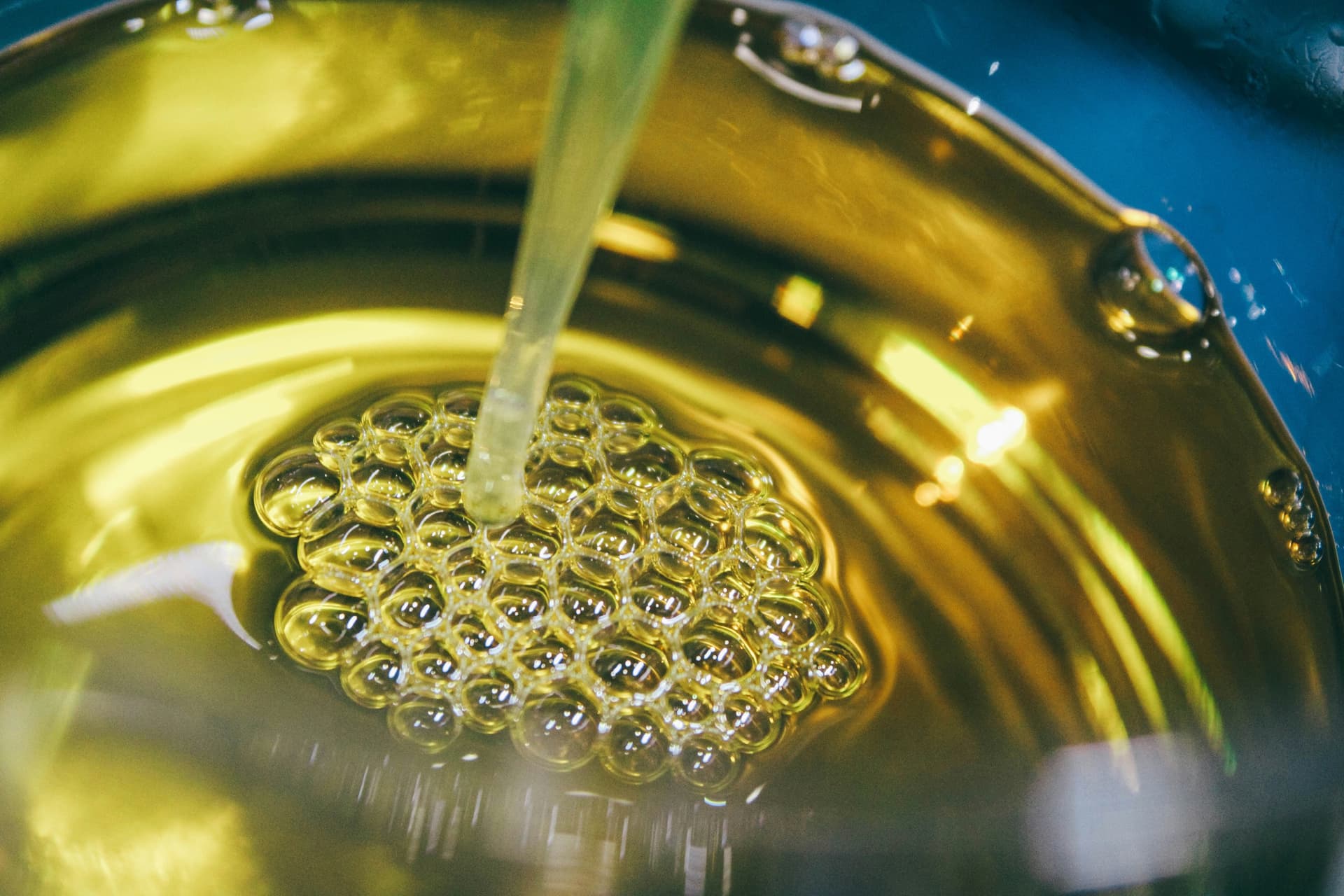
RBD coconut oil is the refined, bleached, and deodorized form of coconut oil, and its two most important contract properties — free fatty acid under 0.1% at load and a clean lauric profile — say more than the product name ever will. The FAO/WHO Codex Standard for Named Vegetable Oils is the reference for quality parameters on food-grade shipments.
Industrial buyers purchase "RBD coconut oil" as if it were one product. It is not. The same name covers oils with different FFA histories, different moisture readings, different melt points, and very different behavior in a confectionery coating or a cosmetic base — and the difference is decided before the flexi-tank is even filled.
This guide goes beyond the tagline: what RBD actually removes, why the lauric profile matters, how the FFA number moves after refining and for how long, which moisture and impurity limits belong in a bulk contract, and the lead times industrial buyers should actually plan for.
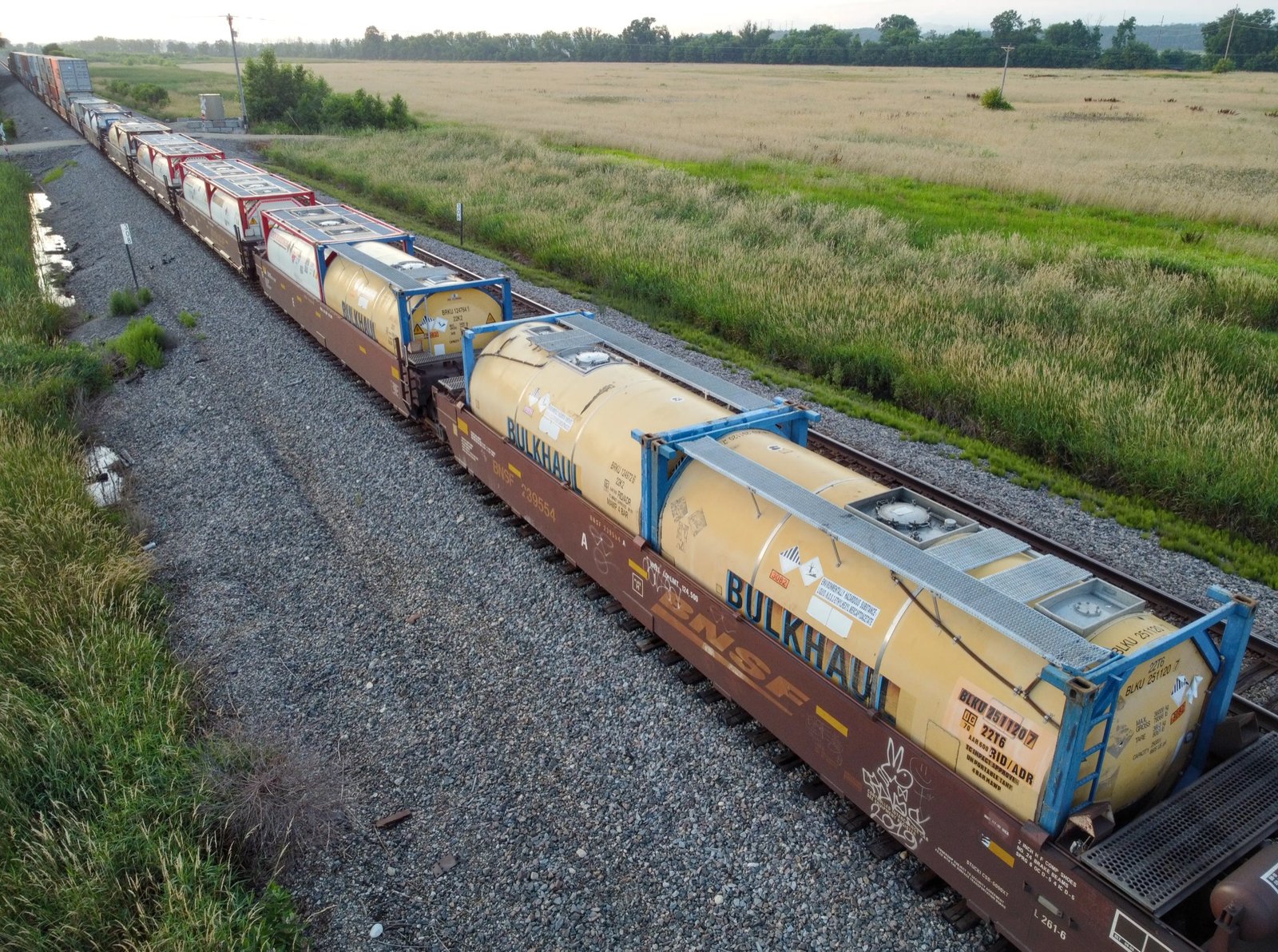
Table of Contents
- What exactly is RBD coconut oil?
- Why does the lauric acid profile matter for industrial buyers?
- The FFA trap: how does free fatty acid content move after refining?
- What moisture and impurities limits should bulk contracts specify?
- What lead times should industrial buyers plan for?
- How do you qualify an RBD coconut oil supplier?
Here is the pattern that repeats across industrial coconut oil failures: a buyer contracts "RBD coconut oil," the product arrives within spec sheet tolerance on paper, and the first production run behaves differently — the coating softens, the base grains out, the shelf-life test fails. The difference between success and failure was never the product name; it was the numbers in the contract and the discipline of the supplier who filled the tank.
What exactly is RBD coconut oil?
RBD coconut oil is the refined, bleached, and deodorized form of coconut oil — neutral in flavor, stable in storage, and the workhorse of confectionery, bakery, creamer, cosmetic, and oleochemical applications.
The three processing steps each do a specific job. Refining removes free fatty acids and phospholipids. Bleaching removes pigments, residual metals, and oxidation products. Deodorization strips volatile compounds that carry flavor and odor, leaving the neutral oil food formulators expect.
- Refining raises the bar: crude coconut oil with high FFA is converted to an edible-quality oil below 0.1% FFA.
- Bleaching stabilizes: color and oxidation indicators (peroxide value) come down, extending shelf life.
- Deodorizing standardizes: the oil loses its coconut odor and gains the neutral profile that lets it function in a formula.
The Codex Standard for Named Vegetable Oils is the reference for the food-grade parameters: FFA, peroxide value, moisture, and the fatty acid composition ranges that confirm the oil is genuinely coconut oil. The next two sections explain why the lauric profile and the FFA number deserve contractual attention.
Why does the lauric acid profile matter for industrial buyers?
Coconut oil is a lauric oil: roughly half of its fatty acids are lauric acid (C12:0), a profile that gives it a sharp melting point, rapid crystallization, and certain oxidative behavior — all of which industrial formulas are built around.
A lauric oil's signature is the sharp melt: solid at room temperature, liquid at body temperature, with a narrow melting window. Confectionery coatings are engineered around exactly that curve. When the oil's fatty acid profile drifts — through blending with palm kernel oil or poor fractionation — the melt curve moves, and the formula fails.
- Sharp melt: the quick transition from solid to liquid is why coconut oil dominates compound coatings and cream fillings.
- Rapid crystallization: the oil sets fast, which suits molded and sprayed applications but punishes processes that need a slow temper.
- Oxidative stability: lauric oils are more stable than polyunsaturated oils but less stable than fully saturated fats; the profile decides the balance.
The Codex fatty acid ranges are the guardrail. A certificate of analysis that lists lauric acid within the specified range is evidence the product is true coconut oil; one that only lists "coconut oil" on the label is not.
The FFA trap: how does free fatty acid content move after refining?
Free fatty acid is the single best indicator of coconut oil condition, and it does not sit still: FFA rises with heat, moisture, time, and poor handling, which is why the contract must define the measurement point, not just the limit.
Freshly refined RBD coconut oil typically ships below 0.1% FFA, often under 0.05%. The trap is that FFA is a reaction product — lipase activity and hydrolysis continue after refining if the oil is exposed to heat and moisture during storage, transit, or transfer. A load that landed at 0.08% can read 0.3% by the time it reaches the customer's tank if the transit profile was wrong.
- Heat accelerates the reaction: hot-climate transit and uncleaned tank heaters raise the rate.
- Moisture is the catalyst: water in the tank bottom is the environment hydrolysis needs.
- The measurement point decides the dispute: "FFA at load" and "FFA at discharge" are different numbers, and contracts must name the point and the test method.
For melt-sensitive applications, high FFA also shifts the melt curve slightly, layering a functional effect on top of the quality problem. The procurement fix is to specify FFA at load, compare the discharge sample against it, and hold the tanker and flexi-tank description in the contract. Next, the moisture and impurities limits that complete the spec.
What moisture and impurities limits should bulk contracts specify?
Bulk contracts should specify matter volatile at 105°C (moisture and volatile matter) and insoluble impurities against the Codex quality characteristics — not above 0.2% and not above 0.05% respectively — and they should add peroxide value and sediment as the condition checkpoints for the whole transit.
Moisture is the quiet killer of a coconut oil parcel. Water accelerates hydrolysis and microbial growth, and in a flexi-tank or tank container the water sits where it is hardest to see — the bottom. The spec belongs in the contract for exactly that reason: it forces the supplier to dry the oil and the tanker to present a clean, dry tank.
- Matter volatile at 105°C (≤ 0.2%): the Codex quality characteristic for moisture and volatile matter; it is a quality factor, not a transit guarantee, and buyers commonly contract a tighter moisture limit to keep hydrolysis and microbe habitat out of the cargo.
- Insoluble impurities (≤ 0.05%): the Codex limit for filter-blocking solids in refined oil, checked by the laboratory and against the micron rating of the transfer filter.
- Peroxide value: the oxidation checkpoint that confirms the oil was not exposed to heat and air after deodorization; below 1.0 meq/kg is a reasonable contract target for RBD coconut oil.
- Sediment at discharge: the joint-survey observation that settles most transit disputes before they start.
Each of these terms is cheap to test and expensive to omit. The contract that names them also names the checkpoints: at load, at discharge, and on the retained sample.
What lead times should industrial buyers plan for?
Industrial buyers should plan 8 to 12 weeks from order confirmation to plant for RBD coconut oil in flexi-tanks from Southeast Asia, with 4 to 6 weeks for regional stock, and buffer a third of that again for port and documentation slippage.
Lead time is not a supplier promise; it is a production chain. The coconut oil is crushed from copra, refined and packed, tested, containerized, railed to port, sailed, surveyed, and delivered. Each leg carries a week or two of normal variance, and the sum is the real lead time.
- Production window: seasonal crush and refinery schedules set the earliest pack date for a spot order.
- Ocean transit: Southeast Asia to the Americas or Europe is a four-to-eight-week sail depending on route and transshipment.
- Port and documentation: survey scheduling, bill of lading issuance, and destination clearance regularly add a week at each end.
- Program planning: buyers who convert their annual requirement into quarterly order points protect the plant without paying for double inventory.
The lead-time discipline is not the fastest supplier; it is the earliest order. A 12-week order point with a supplier who loads on schedule beats a 9-week promise that slips into the same 12 weeks.
How do you qualify an RBD coconut oil supplier?
Qualify an RBD coconut oil supplier on four observable things: a refinery or packing facility you can name, a certificate of analysis that hits Codex ranges, a tank and transit protocol that protects FFA and moisture, and a track record of transshipping flexi-tanks without temperature abuse.
| Qualification test | What it proves |
|---|---|
| Named refinery and country of origin | Traceability and processing visibility back to the crush |
| Codex-range certificate of analysis | True RBD quality, lauric profile included |
| Written tank, flexi-tank, and heating protocol | FFA and moisture protected from load to plant |
| Delivery references you can call | Actual transit performance, not marketing sheets |
RBD coconut oil rewards slow, careful qualification and punishes the cheapest quote. The supplier who names the refinery, protects the transit, and stands behind the Codex numbers is the supplier whose parcel behaves in the plant.
Frequently Asked Questions
What does RBD mean in edible oils?
RBD stands for refined, bleached, and deodorized. It is the standard processing sequence that turns crude coconut oil into a neutral, stable oil suitable for food and industrial use, removing free fatty acids, gums, color, and odor.
Is RBD coconut oil the same as virgin coconut oil?
No. Virgin coconut oil is minimally processed from fresh coconut meat and keeps flavor and aroma. RBD coconut oil is fully refined and neutral. Smell, taste, melt point, and price all differ, and the two are not interchangeable in a formula.
What is free fatty acid (FFA)?
FFA measures the fatty acids released from the oil as it hydrolyzes. High FFA signals old feedstock, poor handling, or degraded storage. For RBD coconut oil, FFA is a quality and shelf-life indicator, and it rises under heat and moisture.
Can RBD coconut oil be used in food production?
Yes. RBD coconut oil is the standard food-grade form of coconut oil, used in confectionery, bakery fats, creamers, and frying applications. It should be purchased against the Codex standard for named vegetable oils.
How long does RBD coconut oil last?
In sealed, cool, dry storage, RBD coconut oil typically holds its specification for 12 to 24 months. Once opened or exposed to heat, the FFA and peroxide numbers rise, so buyers should match shelf life to actual consumption rate.
Summary
Three takeaways for industrial coconut oil buying:
- The product name is the least informative part of the contract — FFA, moisture, lauric profile, and Codex ranges define the parcel.
- Protect the transit: a written tank and temperature protocol, a joint discharge sample, and named checkpoints settle quality before it becomes a claim.
- Plan the lead time: 8 to 12 weeks from order to plant for flexi-tank supply, with early program orders beating fast promises.
Building a specialty oils program? Submit an edible oils RFQ or see how spec discipline works across commodities in our direct-origin supply guide.
References
- FAO/WHO Codex Alimentarius — Standard for Named Vegetable Oils (CXS 210-1999): the international reference for quality characteristics (matter volatile at 105°C ≤ 0.2%, insoluble impurities ≤ 0.05%), fatty acid ranges, and test methods applied to RBD coconut oil in this article.
- USDA FAS — Production, Supply and Distribution (PSD) Online: production and trade data on coconut oil and copra used to frame origin supply and lead-time assumptions.