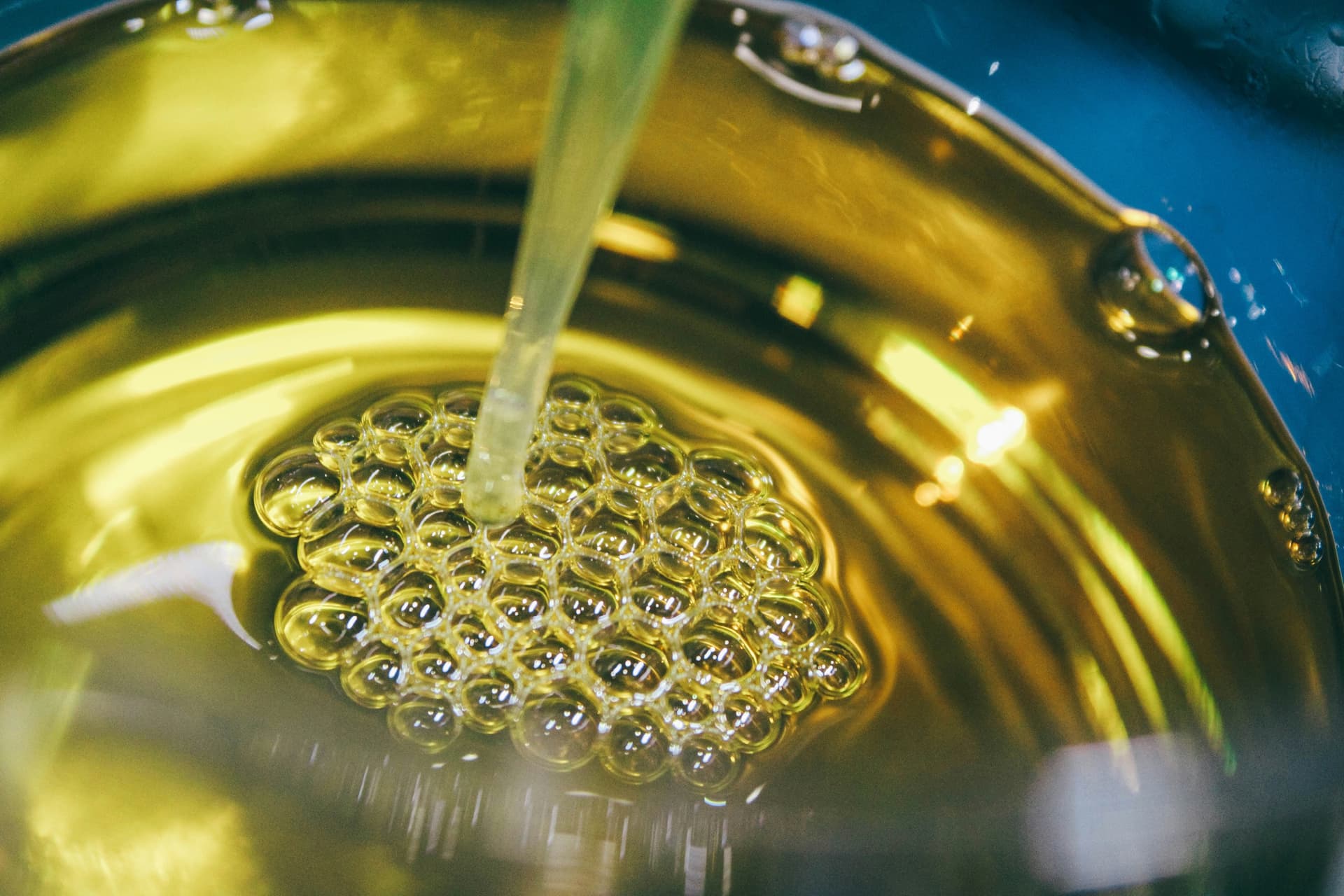
Palm oil is the world's most produced and most traded vegetable oil. It is in roughly half of all packaged consumer goods. It fuels biodiesel programs across Southeast Asia and Europe. It is a primary cooking oil across Africa, South Asia, and Latin America. Its versatility — solid at room temperature, neutral in flavor, high in yield per hectare — makes it functionally irreplaceable in industrial food processing.
It is also one of the most compliance-intensive commodities in global trade.
Buyers sourcing palm oil in 2026 must navigate RSPO sustainability certification, the European Union Deforestation Regulation (whose main obligations apply from 30 December 2026 for large and medium-sized operators), origin-specific quality standards from Malaysia and Indonesia, and a supply chain that runs from remote plantation mills to refinery terminals to destination ports across multiple jurisdictions.
This guide covers what industrial buyers need to know about edible oil specifications, RSPO certification models, regulatory compliance requirements, and logistics infrastructure for bulk palm oil and related edible oil procurement.
The Global Edible Oils Landscape
The main globally traded edible and industrial oils, with their usual origins and reference prices:
| Oil | Primary Origins | Primary Use | Key Reference Price |
|---|---|---|---|
| Palm Oil (RBD) | Malaysia, Indonesia | Food processing, industrial | BMD CPO Futures |
| Palm Olein | Malaysia, Indonesia | Frying, cooking oil | BMD Palm Olein |
| Palm Stearin | Malaysia, Indonesia | Margarine, shortenings | BMD / physical spread |
| Soybean Oil (RBD) | USA, Brazil, Argentina | Food processing, biodiesel | CBOT Soybean Oil (ZL) |
| Sunflower Oil (RBD) | Ukraine, Argentina, Russia | Cooking oil, food processing | Platts / Euronext |
| Canola Oil (RBD) | Canada, Australia, EU | Cooking oil, food processing | ICE Canola |
| Coconut Oil (RBD) | Philippines, Indonesia | Food, personal care | Physical market |
Palm Oil: Technical Specifications by Grade
RBD Palm Oil (Refined, Bleached, Deodorized)
The standard refined grade for food processing and most industrial applications:
| Parameter | Specification |
|---|---|
| Free Fatty Acid (FFA) | Max 0.10% (as palmitic acid) |
| Moisture and Impurities | Max 0.10% |
| Iodine Value (IV) | 50–55 |
| Slip Melting Point | 33–39°C |
| Color (Lovibond 5 1/4" cell) | Max 3.0R |
| DOBI | Min 2.5 (indicates freshness) |
| Peroxide Value | Max 1.0 meq/kg |
DOBI significance: DOBI measures the quality and freshness of crude palm oil before refining. For buyers with extended shelf life requirements, specifying a minimum DOBI of 3.0 at crude stage is advisable.
RBD Palm Olein (Liquid Fraction)
The liquid fraction used primarily in cooking and frying applications:
| Parameter | Standard Olein | Soft Olein | Super Olein |
|---|---|---|---|
| Cloud Point | Max 10°C | Max 8°C | Max 5°C |
| Iodine Value | Min 56 | Min 58 | Min 62 |
| FFA | Max 0.10% | Max 0.10% | Max 0.10% |
RSPO Certification: What Industrial Buyers Need to Understand in 2026
The Roundtable on Sustainable Palm Oil (RSPO) is the primary international certification system for sustainable palm oil production. The RSPO began a review of its 2020 Supply Chain Certification Standard in February 2025, with a revised standard targeted for endorsement in 2026; check rspo.org for the current version before writing it into contracts.
The Four RSPO Supply Chain Models
| Model | Traceability | On-Pack Claim | Physically separated? |
|---|---|---|---|
| Identity Preserved (IP) | To a single certified mill and its supply base | "Traceable to plantation" | Yes |
| Segregated (SG) | Multiple certified mills only | "Certified sustainable palm oil" | Yes |
| Mass Balance (MB) | Administrative tracking | Limited claims | No |
| Book and Claim (B&C) | Credits only | None on-pack | No |
Practical guidance for 2026: Buyers building new product lines or entering European markets should consider Segregated (SG) or Identity Preserved (IP) rather than Mass Balance. Physical separation makes it easier to collect the plot-level geolocation data the EUDR requires, although no RSPO model replaces the operator's own EUDR due diligence.
EU Deforestation Regulation (EUDR): The New Compliance Layer
The EU Deforestation Regulation (EUDR, Regulation (EU) 2023/1115), as amended by Regulation (EU) 2025/2650, applies from 30 December 2026 for large and medium-sized operators and from 30 June 2027 for micro and small enterprises. It adds a compliance requirement beyond RSPO that affects palm oil placed on, or exported from, the EU market.
What EUDR requires:
- Commodities must not have been produced on land deforested after December 31, 2020
- Operators must conduct due diligence and provide geolocation data (GPS coordinates of specific plots)
- A due diligence statement must be submitted to the EU Information System before placing products on the EU market
Soybean Oil Procurement
Soybean oil is the second most produced vegetable oil globally, with the US, Brazil, and Argentina as dominant exporters.
RBD Soybean Oil Standard Specification:
| Parameter | Specification |
|---|---|
| FFA | Max 0.05% |
| Moisture and Impurities | Max 0.05% |
| Color (Lovibond 5 1/4" cell) | Max 1.5R x 15Y |
| Peroxide Value | Max 1.0 meq/kg |
| Iodine Value | 125–135 |
Non-GMO considerations: Non-GMO soybean oil usually trades at a premium to conventional oil, and the premium varies with origin and season. Procurement teams serving markets with non-GMO requirements must specify this at RFQ stage and maintain identity-preserved supply chains.
Bulk Edible Oil Logistics
Bulk edible oils are transported in dedicated edible oil tankers, flexi-tanks in standard containers, ISO tanks, or drum packing. For food-grade edible oils, vessel history is critical — tanks must not have previously carried petroleum products.
Storage and Temperature Management
| Oil | Storage Temperature | Notes |
|---|---|---|
| RBD Palm Olein | 25–35°C | Solidifies below cloud point |
| RBD Palm Oil | 40–50°C (discharge) | Solid at ambient; requires heated storage |
| Palm Stearin | 55–65°C | High melting point; requires heated tank |
| Soybean Oil | Ambient (liquid) | No special heating required |
| Sunflower Oil | Ambient | No special heating required |
How XRT Group Sources Edible and Industrial Oils
XRT Group's edible oils desk handles RFQs for edible and seed oils. Buyers can specify requirements such as RSPO-certified supply chains, EUDR traceability data, non-GMO documentation, Halal certification from the producer and heated logistics. Availability depends on the product, origin and supplier, and is confirmed for each RFQ. Independent inspection is arranged through agencies such as SGS, Bureau Veritas or Intertek, and contracts can be written on FOSFA terms.
Frequently Asked Questions
What is the difference between RBD palm oil and crude palm oil (CPO)?
Crude palm oil is the unrefined output of the oil palm mill — orange in color, with elevated FFA and impurities. RBD palm oil has been refined, bleached, and deodorized to produce a neutral, shelf-stable oil ready for food or industrial use.
Does RSPO Mass Balance certification satisfy EU retailer requirements?
It depends on the retailer. Some European retailers ask for Segregated (SG) or Identity Preserved supply, while others still accept Mass Balance. Check each customer's sourcing policy, and remember that RSPO certification of any kind does not by itself satisfy the EUDR.
How do I verify a supplier's RSPO certification?
All RSPO-certified entities and their certification scope are publicly listed on the RSPO's online database at rspo.org. A certificate number can be cross-referenced directly.
Ready to discuss an edible oil requirement? Contact our oils procurement desk at oils [at] xrtgroup.com or submit an RFQ through our procurement portal.