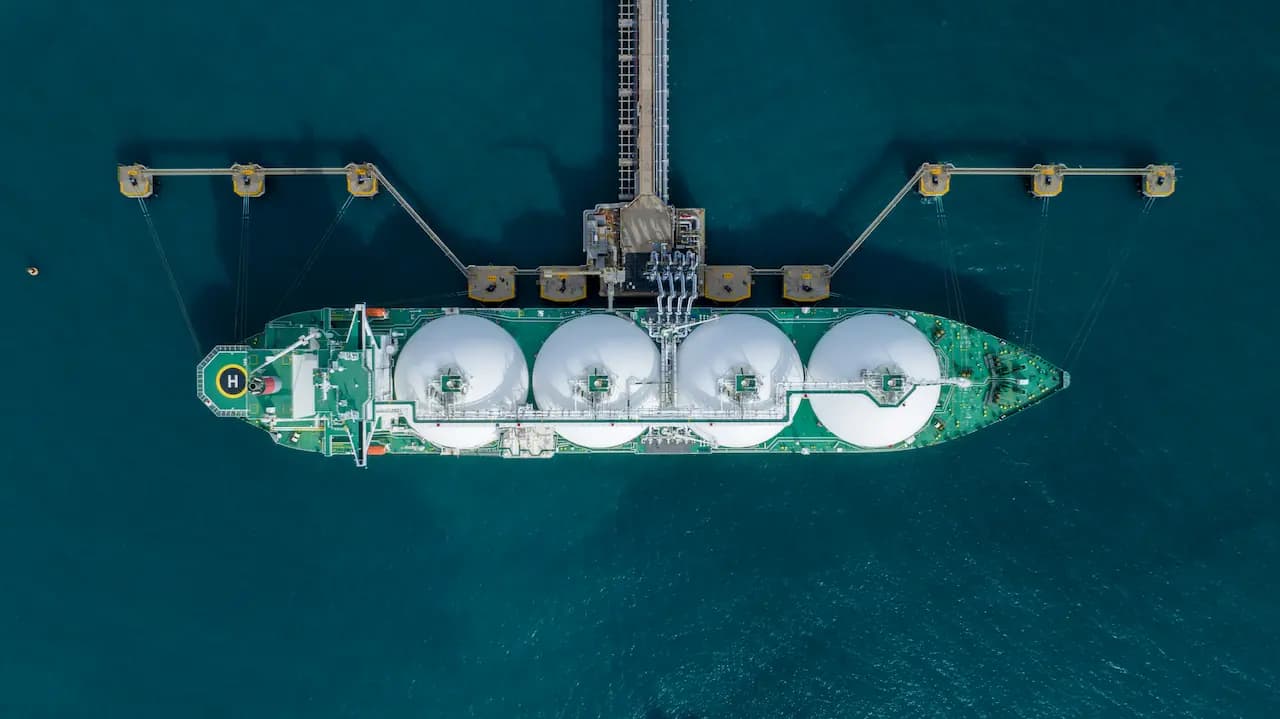
Multi-modal freight optimization uses automated routing protocols, dynamic carrier allocation, and carbon-intensity scoring to reduce commodity logistics costs by 12–18% versus spot freight procurement. XRT's Automated Routing Protocol (ARP) processes 14,000+ route optimization cycles daily across 1,840 carrier network nodes.
Physical commodities do not move themselves. Bulk crude oil, diesel, grains, and edible oils require maritime vessels, rail networks, road tankers, and intermodal infrastructure that must be coordinated across jurisdictions, weather patterns, and port schedules. A single day of demurrage on an Aframax tanker can cost $20,000–$35,000. A missed barge connection in the ARA region can delay a diesel delivery by 72 hours. A container that misses its vessel allocation at a transshipment hub can set back a supply chain by two weeks.
For logistics operations leads and global freight managers, multi-modal optimization is the discipline of selecting the right combination of transport modes, carriers, and routes to minimize total landed cost — including freight, demurrage, insurance, and carbon compliance costs.
What Is Multi-Modal Freight Optimization?
Multi-modal freight optimization is the systematic selection and coordination of maritime, rail, road, and intermodal transport options to minimize total logistics cost while meeting delivery schedules, compliance requirements, and carbon intensity targets.
Unlike simple carrier selection — which looks for the cheapest rate on a single mode — multi-modal optimization evaluates the full transport chain:
- The cost and reliability of connecting modes at each transshipment point
- Demurrage risk at congested ports versus the cost of alternative discharge points
- Voyage versus time charter economics for bulk commodities
- Carbon intensity scoring and EU Emissions Trading System (EU ETS) compliance for European deliveries
Automated Routing Protocol: How ARP Works
XRT's Automated Routing Protocol (ARP) is a proprietary optimization engine that dynamically selects carrier combinations across maritime, rail, and road networks based on cost, velocity, and carbon intensity metrics.
ARP processes 14,000+ route optimization cycles daily and evaluates:
- Maritime leg: Vessel class, voyage charter rate, fuel consumption at current bunker prices, port rotation and schedule reliability
- Inland leg: Rail vs. barge vs. road for each inland segment, infrastructure constraints (gauge, bridge limits, weight restrictions), and terminal handling capabilities
- Carbon intensity: CO₂ per ton-mile for each mode and carrier combination, EU ETS allowance cost integration for European deliveries
- Cost optimization: ARP consistently achieves 12–18% cost reductions versus spot freight procurement
For energy-specific logistics considerations, see our energy supply security guide.
SOLAS, MARPOL, and IMDG: The Compliance Architecture of Bulk Freight
SOLAS (Safety of Life at Sea), MARPOL (Marine Pollution), and IMDG (International Maritime Dangerous Goods) are the three international conventions governing maritime commodity transport — compliance with each is mandatory for all bulk commodity operations.
| Regulation | Governing Body | Applies To | Key Requirement |
|---|---|---|---|
| SOLAS | IMO | All vessels | Verified Gross Mass (VGM) of containers before loading |
| MARPOL Annex VI | IMO | All vessels | Sulfur cap 0.50% m/m (global); 0.10% in ECAs |
| IMDG Code | IMO | Dangerous goods | Classification, packaging, and documentation for hazmat |
| CII (Carbon Intensity Indicator) | IMO | Ships >5,000 GT | Annual CO₂ rating A–E; poor ratings require corrective plans |
For customs-related compliance, see our customs pre-clearance guide.
Bulk Commodity Vessel Classes
Selecting the right vessel class for bulk commodity transport balances cargo volume requirements against port constraints, canal dimensions, and freight market conditions.
| Vessel Type | Deadweight (DWT) | Typical Cargo | Key Constraint |
|---|---|---|---|
| Handysize | 10,000–35,000 | Small grain parcels, steel | Fits most ports; limited economies of scale |
| Supramax/Ultramax | 50,000–65,000 | Grains, minor bulks | Gear-equipped; draft restricted at some ports |
| Panamax | 65,000–80,000 | Grains, coal, iron ore | Original Panama Canal locks (now less restrictive) |
| Aframax (tanker) | 80,000–120,000 | Crude oil, fuel oil | Port draft limits; Suezmax alternative |
| Suezmax (tanker) | 120,000–200,000 | Crude oil | Suez Canal draft and beam restrictions |
| VLCC (tanker) | 200,000–320,000 | Crude oil | Deep-water ports only; too large for most canals |
For freight pricing mechanics, including Baltic Exchange indices and Worldscale, see our commodity pricing mechanics guide.
Demurrage: The Most Underestimated Logistics Cost
Demurrage — liquidated damages for vessel delay beyond agreed laytime — is one of the most underestimated costs in commodity logistics. On a single Aframax tanker, demurrage can reach $25,000/day.
Demurrage arises when:
- The vessel arrives at berth and the terminal is congested — waiting time accrues
- Documentation is incomplete — customs will not clear cargo until documents are in order
- Inspection results are delayed — commercial settlement cannot proceed
- Weather prevents safe berthing or cargo operations
ARP incorporates demurrage risk scoring for each port and terminal in its routing optimization — selecting routes that balance transit cost against demurrage probability at destination.
Frequently Asked Questions
What is the most fuel-efficient mode for bulk commodity transport?
Maritime transport is the most fuel-efficient per ton-mile — large bulk carriers consume approximately 2–4 grams of fuel per ton-kilometer, compared to 15–25 grams for rail and 50–100 grams for road. Pipeline transport is competitive for crude oil and refined products over fixed routes.
How does carbon intensity scoring affect freight costs?
Vessels with poor CII ratings (D or E) face restrictions in certain ports and higher EU ETS allowance costs. Routing through ARP's carbon-scored network reduces carbon costs by selecting A- and B-rated vessels and optimizing for lower total CO₂ per ton-mile across the full route.
What is the difference between voyage charter and time charter?
A voyage charter pays for a single voyage from load port to discharge — the shipowner covers fuel (bunkers) and port charges. A time charter rents the vessel for a period — the charterer pays fuel and port charges but has full operational control of routing.
How are ISO tank containers different from flexitanks for edible oil transport?
ISO tanks are stainless steel, reusable, and suitable for heated cargo (palm oil requires 40–55°C). Flexitanks are single-use polyethylene bladders inside standard containers — lower cost but limited to non-heated oils and shorter transit times. Flexitanks are not suitable for palm oil.
How does XRT's ARP handle last-mile delivery optimization?
ARP evaluates road, rail, and barge options for the final delivery leg, optimizing for infrastructure constraints (bridge limits, weight restrictions), delivery window requirements, and handling costs at the receiving facility. Last-mile routing accounts for 15–25% of total logistics cost.
Ready to optimize your commodity logistics chain? Contact XRT's logistics desk at procurement@xrtgroup.com or submit an inquiry through our contact portal.