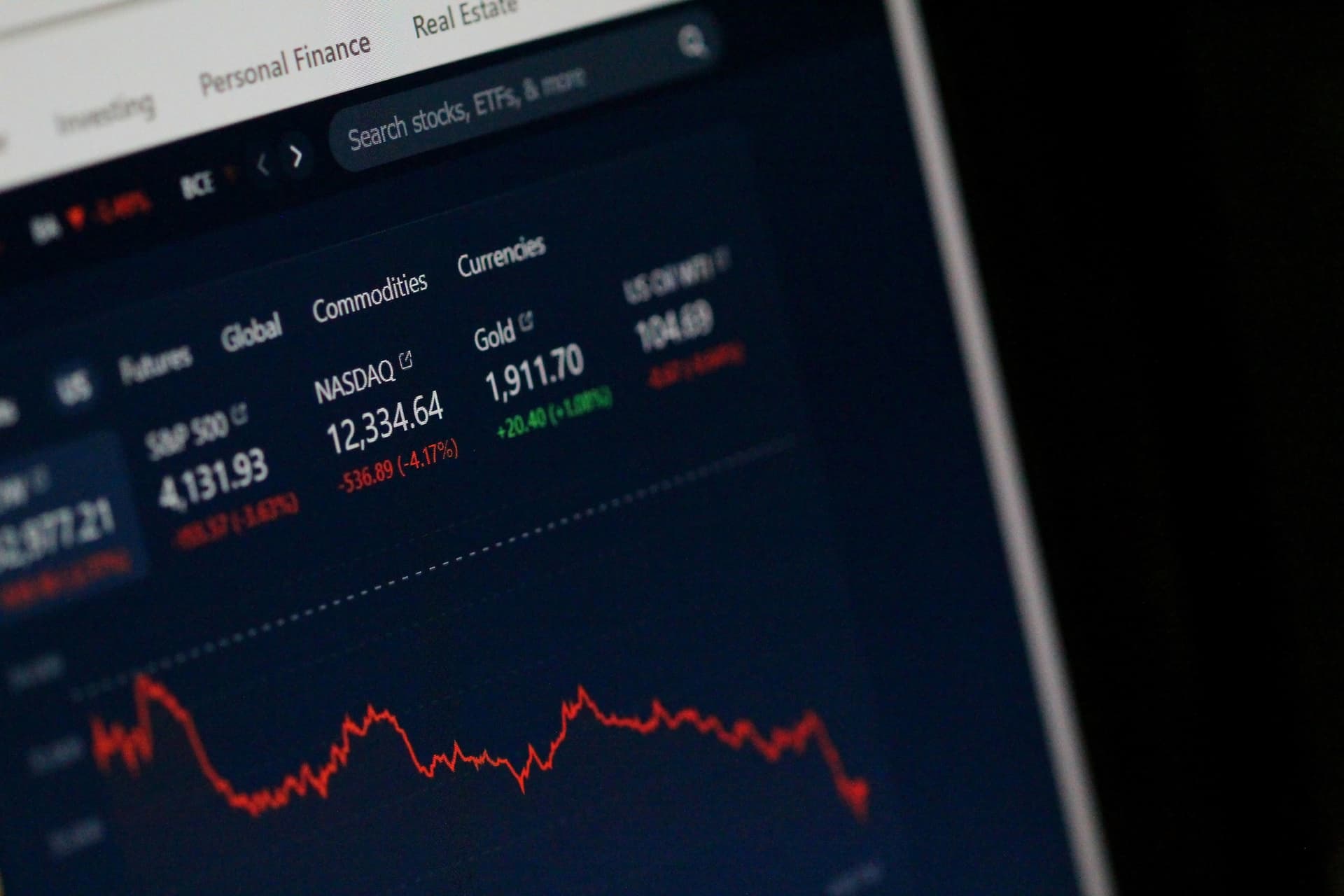
Commodity pricing mechanics — crack spreads, basis differentials, and floating-price contracts — determine the actual delivered cost of crude oil, refined products, grains, and edible oils for industrial buyers. Price reporting agencies such as Platts and Argus publish the daily assessments that most physical crude oil and refined product contracts use as their pricing basis.
Commodity procurement is a pricing discipline. Every contract a procurement director signs references a benchmark — but the gap between the benchmark and the price the buyer actually pays is where procurement value is won or lost.
This gap is governed by crack spreads (for refined products), basis differentials (for grains and crude oils), and contract pricing mechanisms (fixed, floating, collar, or formula-based). Understanding these mechanics is not optional for procurement professionals managing multi-million-dollar commodity budgets. It is the difference between predictable supply costs and exposure to uncontrolled market volatility.
What Is a Crack Spread and How Does It Affect Refined Fuel Procurement?
A crack spread is the price difference between a barrel of crude oil and the refined petroleum products derived from it — it represents the refinery's processing margin and directly influences diesel, gasoline, and jet fuel procurement costs.
For procurement teams buying ULSD diesel (EN590), Jet Fuel A-1, or automotive gasoline, the crack spread matters because:
- Refinery economics drive product availability: When crack spreads narrow, refineries reduce runs, tightening supply
- Price negotiations reference spreads: A Platts ULSD CIF NWE assessment already embeds the prevailing crack spread
- Regional spread divergence creates arbitrage: The US Gulf Coast 3-2-1 crack spread may differ significantly from the Singapore complex margin, creating procurement opportunities across regions
The most commonly referenced crack spreads include the US Gulf Coast 3-2-1 (three barrels of crude yielding two barrels of gasoline and one of distillate) and the Singapore Dubai 3-2-1. For a deeper look at energy procurement strategy, see our energy supply security guide.
How Commodity Benchmarks Set the Price Baseline
Commodity benchmarks — Platts, NYMEX, ICE, CBOT, and Bursa Malaysia Derivatives — are the reference prices against which physical commodity contracts are settled.
Each commodity vertical uses specific benchmark and pricing mechanisms:
| Commodity | Benchmark | Pricing Body | Settlement Mechanism |
|---|---|---|---|
| WTI Crude Oil | NYMEX WTI | CME Group | Futures settlement ± basis |
| Brent Crude | ICE Brent | ICE Futures Europe | Futures cash-settled against the ICE Brent Index; physical cargoes priced off Dated Brent |
| ULSD Diesel EN590 | Platts ULSD FOB ARA | S&P Global Platts | Market-on-Close (MOC) assessment |
| SRW Wheat | CBOT Wheat | CME Group | Futures ± Gulf/Pacific basis |
| Crude Palm Oil | BMD FCPO | Bursa Malaysia | Monthly average or settlement date price |
| Aframax Freight | Worldscale / Baltic Dirty Tanker | Baltic Exchange | Percentage of flat rate (WS points) |
Fixed vs. Floating vs. Average-Price Contracts
Contract pricing mechanisms determine how the final invoice price is calculated — the choice between fixed, floating, collar, and average-price structures directly affects procurement risk and budget predictability.
- Fixed-price contracts: The price is locked at contract signing. Provides budget certainty but eliminates upside if market prices fall. Best for stable markets or short delivery windows.
- Floating-price contracts: The price is set against a benchmark (e.g., Platts ULSD FOB ARA) on a specified pricing date — typically the bill of lading date, 5 days around B/L, or a monthly average. Buyer benefits from falling markets but assumes price risk.
- Collar contracts: A price range is set with a floor and ceiling. The buyer is protected if the benchmark falls below the floor or rises above the ceiling. Common in agricultural procurement where crop price volatility is high.
- Average-price contracts: The final price is the arithmetic average of the benchmark over an agreed period (e.g., the month of shipment). Smooths out daily volatility but delays price certainty.
Basis: The Physical-Derivative Price Gap
Basis is the difference between the local physical commodity price and the nearest futures contract price — it accounts for transportation, storage, and regional supply-demand dynamics.
For a grain buyer sourcing SRW Wheat from the US Gulf for delivery to Egypt, the delivered price is:
CBOT Wheat futures price + Gulf basis + ocean freight + destination charges
The Gulf basis itself reflects elevator capacity, barge availability, export demand, and harvest timing. Basis can swing widely depending on seasonality and logistics constraints. Procurement teams that understand basis dynamics can time purchases to capture favorable spreads.
For more on contract terms, see our INCOTERMS 2020 guide for commodity buyers.
Bursa Malaysia Derivatives: Palm Oil Pricing Mechanics
The Bursa Malaysia Derivatives crude palm oil futures contract (FCPO) is the global benchmark for palm oil pricing, quoted in Malaysian Ringgit per metric ton and physically delivered at approved port tank installations in Malaysia.
For edible oil buyers, understanding FCPO mechanics is critical because:
- FCPO is the reference price for physical CPO, RBD Palm Olein, and palm stearin contracts across Southeast Asia
- Physical contracts are often priced as a premium or discount to an FCPO contract month, or to an agreed average of FCPO settlement prices
Unlike NYMEX or ICE crude oil contracts, FCPO is physically settled — buyers taking delivery must be prepared to receive palm oil at specified Malaysian ports or arrange for exchange-for-physicals (EFP) transactions.
Frequently Asked Questions
What is the Platt's Market-on-Close (MOC) methodology?
Platts MOC is a price assessment process that reflects the value of a commodity at the close of the physical market. Platts analysts observe bids, offers, and transactions during a defined time window and publish the assessed price, which becomes the benchmark for contract settlement.
How does the Brent/WTI spread affect procurement decisions?
A wide Brent/WTI spread makes US crude cheaper relative to Brent-linked grades and supports US exports to Atlantic Basin buyers. A narrow spread erodes that advantage, because transatlantic freight still has to be covered. Procurement teams monitor the freight-adjusted spread to decide whether to source from the US Gulf Coast or from North Sea and West African origins.
What is "backwardation" and "contango" in commodity futures?
Backwardation means spot prices are higher than forward prices — the market expects near-term supply tightness. Contango means forward prices exceed spot prices — the market expects ample supply. For buyers, backwardation favors spot purchasing; contango can make forward hedging attractive.
Can I negotiate a discount to the benchmark, or only a premium?
Yes. For certain commodities (e.g., Fuel Oil 380 CST, high-sulfur crude grades), the physical price may trade at a discount to the benchmark. The premium or discount reflects quality differentials, freight costs, and regional supply-demand. Deeper discounts are possible for off-spec or distressed cargoes.
What is the role of the Baltic Exchange in commodity freight pricing?
The Baltic Exchange publishes daily freight indices (Baltic Dry Index, Baltic Dirty Tanker Index) that reflect charter rates for specific vessel classes and routes. These indices, along with Worldscale flat rates, form the pricing basis for tanker and bulk carrier charter contracts.
Ready to discuss pricing mechanisms for your next commodity contract? Contact XRT's desk at procurement [at] xrtgroup.com or submit a structured inquiry through our contact portal.